
RallyCrew’s River Conservation Hub
RallyCrew’s River Conservation Hub brings together stories, insights, and actions focused on protecting rivers worldwide. Explore conservation projects, environmental initiatives, and the people working to safeguard our planet’s rivers.
You’ll find updates on:
River protection campaigns and conservation victories
Threats from dams, pollution, and development
River access and stewardship initiatives
Conservation projects led by paddlers and river communities
Environmental news impacting rivers worldwide
All in one place, so you can stay connected to what’s happening on the rivers you care about and take action to help protect them.
Have a Conservation Story or Campaign?
If you’re involved in a river protection effort, conservation project, petition, or environmental initiative the paddling community should know about, send us the details at hello@rallycrew.com.
Together, we can help protect the rivers that connect us.
Conservation efforts, challenges, and victories shaping the future of rivers worldwide.
CONTENTS
MAR 18, 2026 - The Push to Protect Costa Rica’s Pacuare River Forever
FEB 25, 2026 - The Komarnica River
MAR 18, 2026
The Push to Protect Costa Rica’s Pacuare River Forever
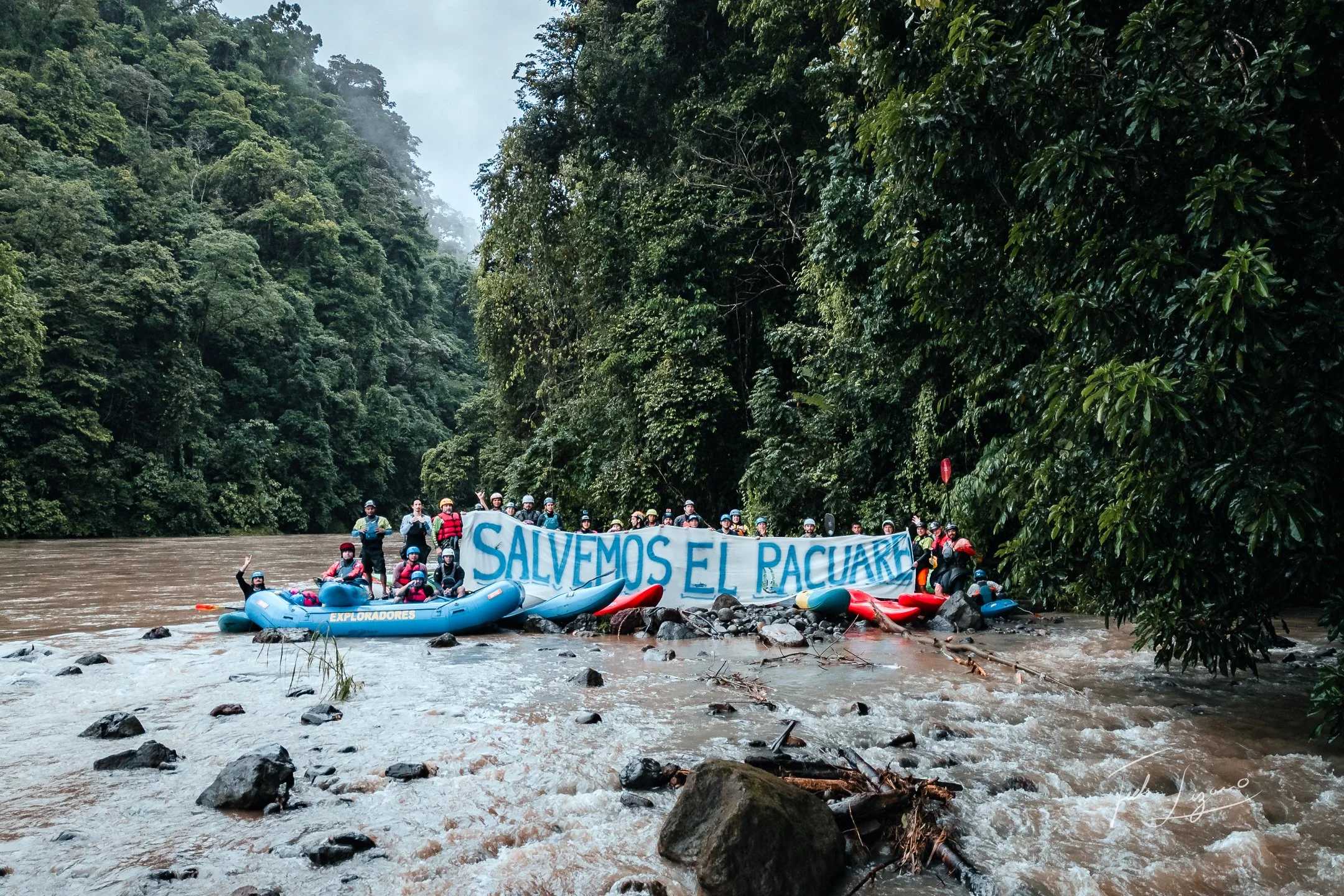
Photo: Federico Lizano
COSTA RICA
Some rivers leave you with lasting memories. Others leave something deeper in your body, something tangible.
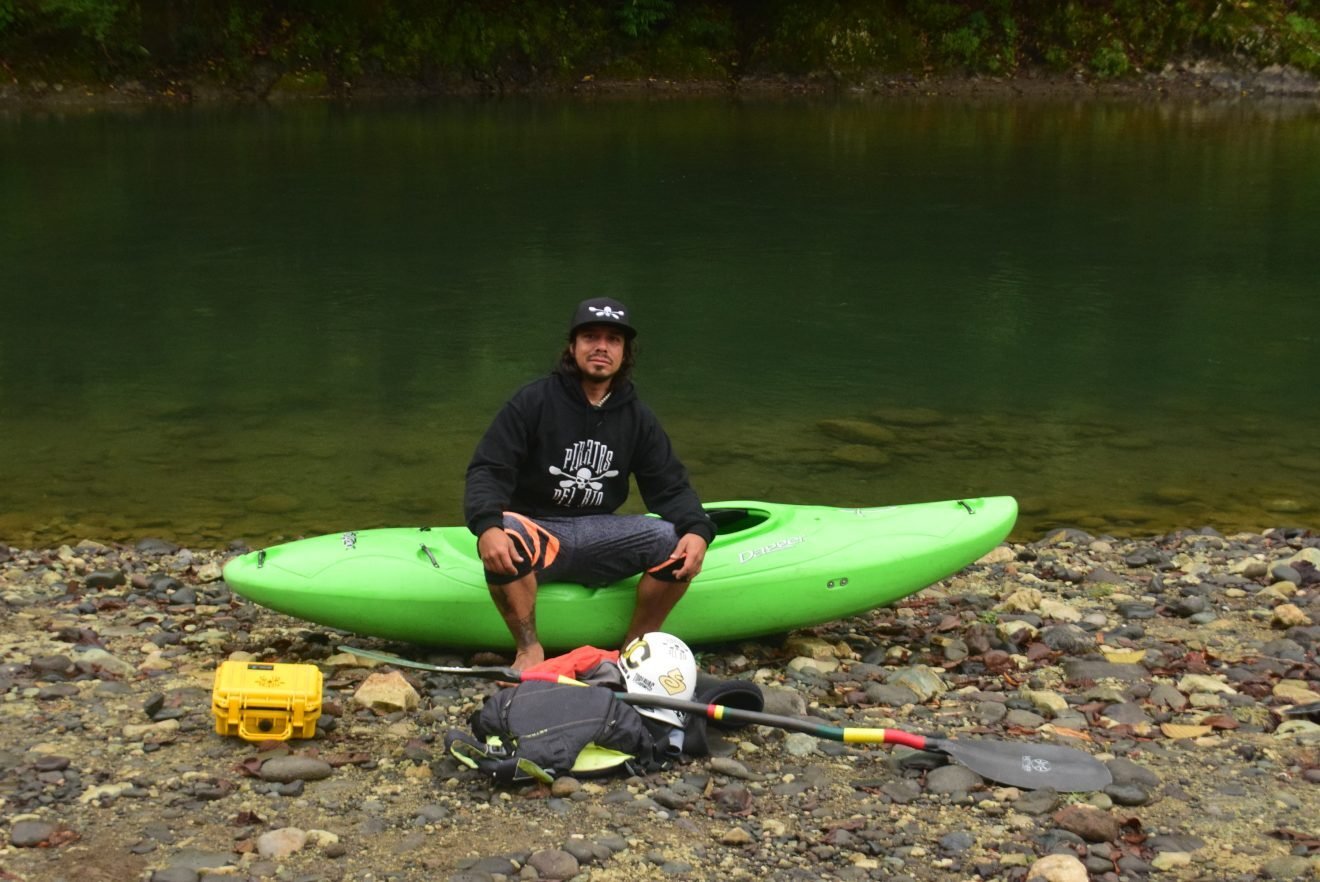
For Costa Rican river advocate and founder of Piratas de Río Fernando Torres, the Pacuare River did both. Moving through the canyon, he felt the place itself vibrating.
“When I first paddled the Pacuare River, it changed me,” Torres said. “I expected whitewater and scenery. But I felt something deeper. The canyon felt alive. I could feel the energy of the river in my body.”
That trip was in 2001, and Fernando has made a life around the Pacuare ever since, spending years paddling its canyon, building a community of river advocates, and eventually founding Piratas del Río, a river advocacy group and apparel-based project that has grown into a broader platform for expeditions, instruction, and river defense.
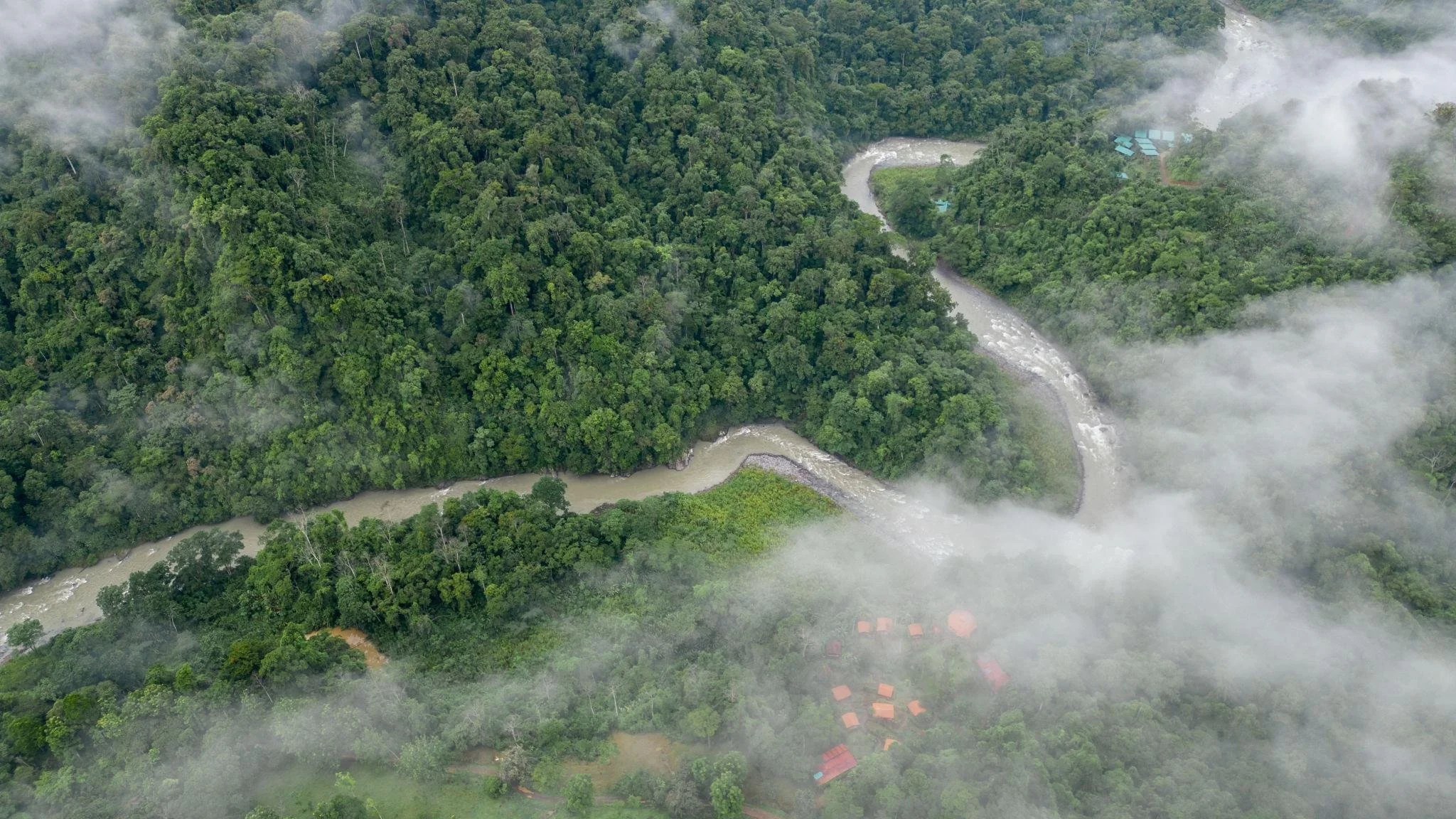
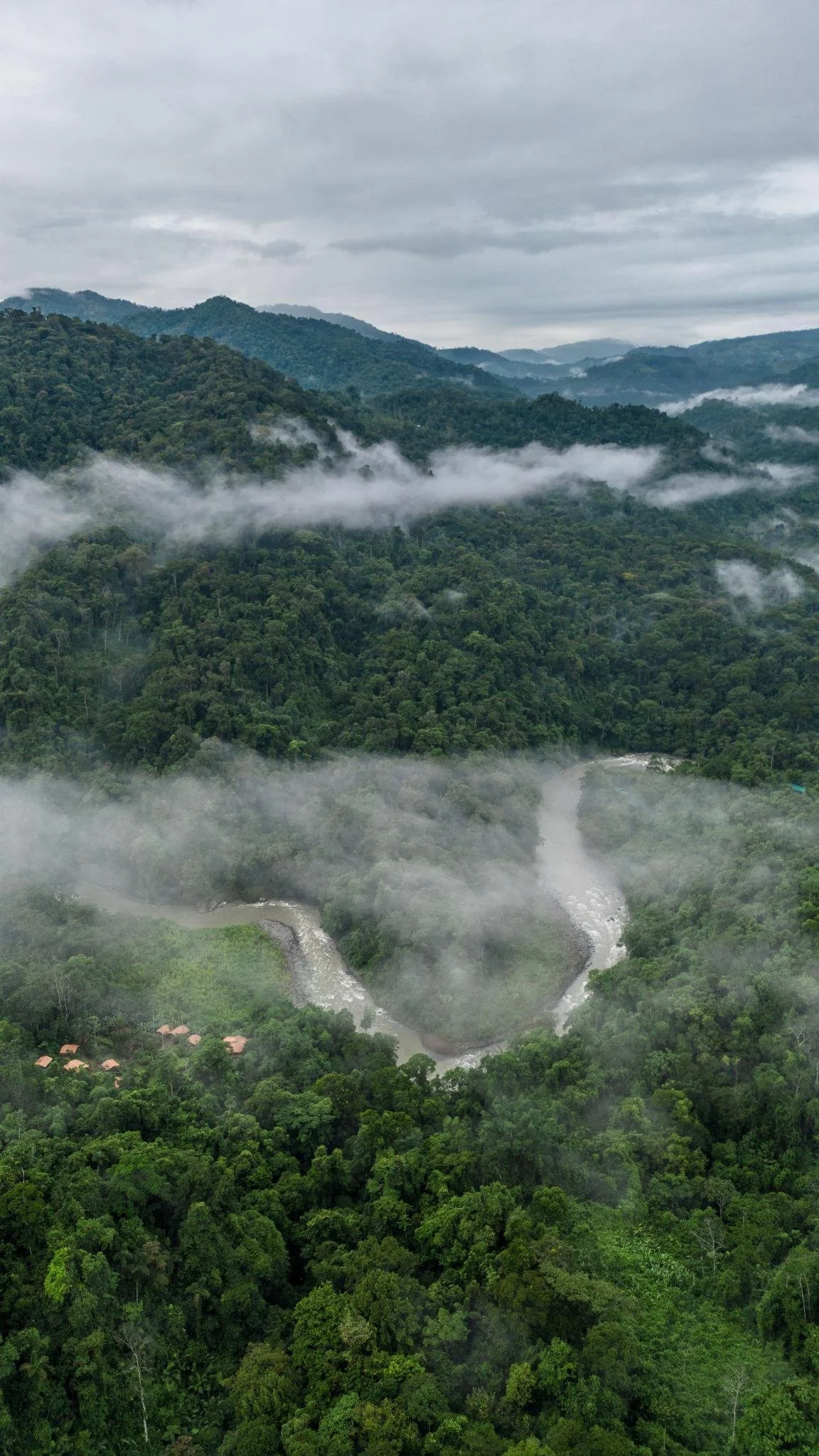
Flowing through a deep rainforest canyon on Costa Rica’s Caribbean slope in the Talamanca Mountains, the Pacuare is often cited as one of the most scenic whitewater rivers in the world. Waterfalls pour from jungle walls. Tropical birds move through the canopy above the river. Paddlers and rafters from around the world travel to the Pacuare each year for the whitewater, but many leave talking about something more difficult to name. For Fernando, it was that feeling from the beginning. The vibration of the place. The sense that the river was alive.
For more than thirty years, that living, vibrating river has also existed under the threat of hydroelectric development. Dam proposals have targeted the Pacuare since the late 1980s and early 1990s. Advocates have succeeded in stopping projects and securing temporary protections, but those protections have always had expiration dates.
Now, a new effort in Costa Rica’s Legislative Assembly aims to change that by passing legislation that would permanently protect the Pacuare from dam construction.
For Fernando and others working on the effort, the river represents far more than a world-class whitewater destination. The Pacuare supports surrounding communities, protects rainforest habitat, and forms a natural boundary for Cabécar Indigenous territory on one side of the river. It also helps sustain local economies through ecotourism, something Fernando sees as essential to protecting places like this.
“People protect what they feel connected to,” Torres said. “Paddling gives people that connection.”
He believes that when people experience a river firsthand, they are more likely to fight for it.
“If the forest does not generate value, people will cut it down,” Torres said. “Ecotourism gives communities a reason to protect nature.”
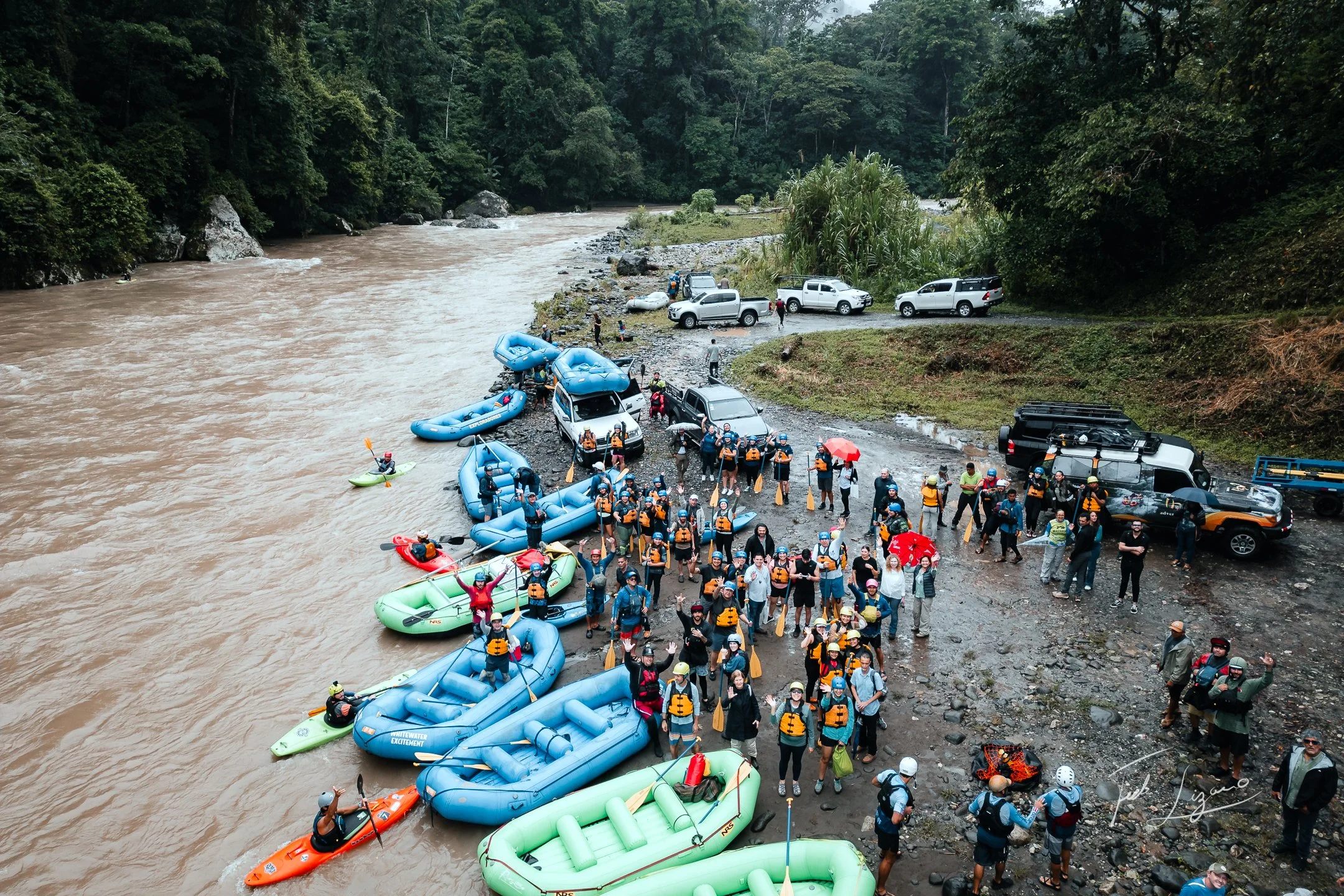
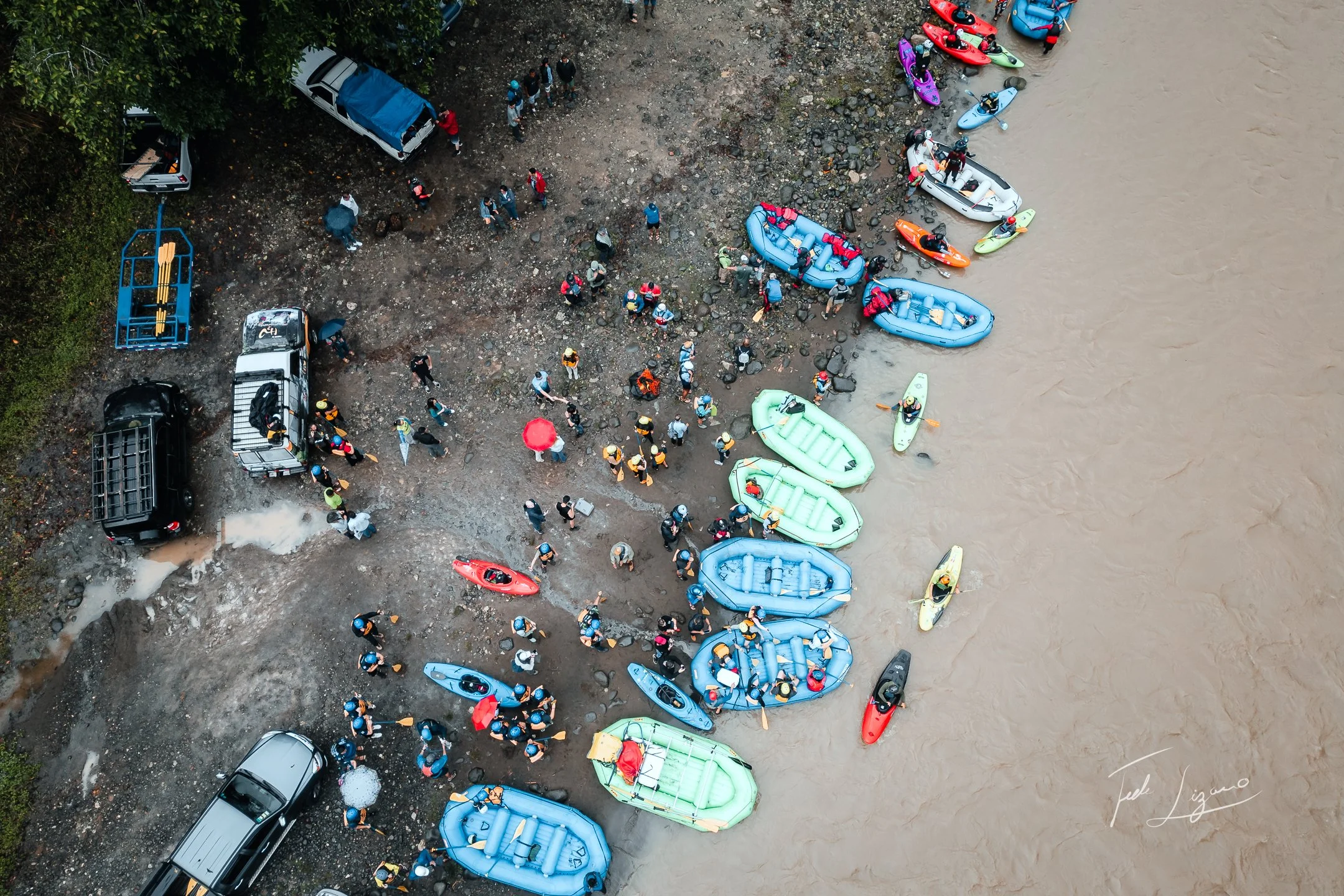
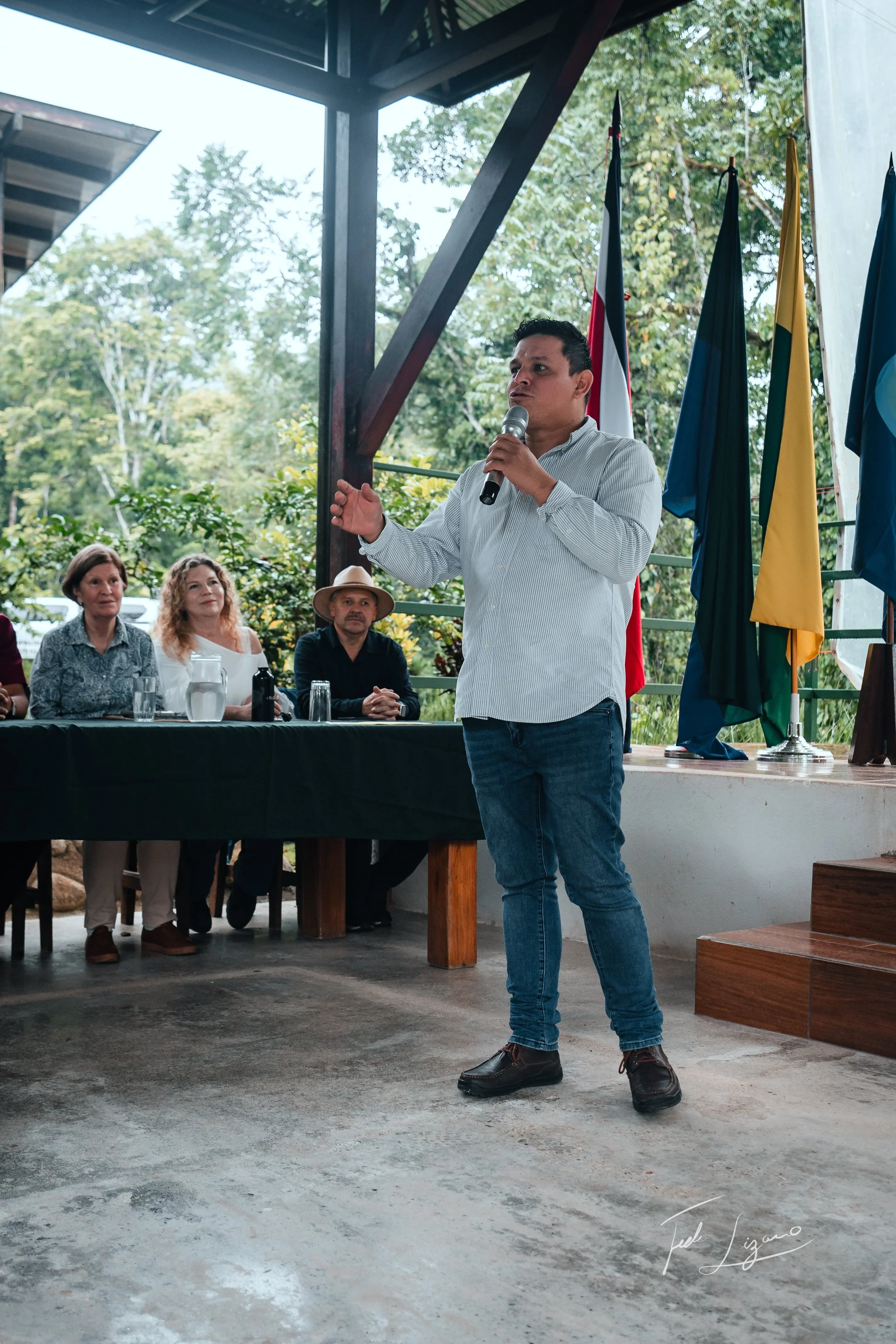
Last year, rafting companies, guides, local communities, and conservation groups organized an event called Pacuare Libre – Salvaguarda para Siempre, or Pacuare Free, Protection Forever. The goal was to build support for legislation that would protect the river for life and to bring members of Costa Rica’s government onto the river to experience what is at stake.
But on the day of the event, the river was not so welcoming.
“The river was raging that day,” Torres said.
The planned trip had to be shortened, and the visiting politicians were taken on an easier section instead. To make the logistics work, guides still had to run the canyon themselves, moving boats and gear downriver.
Somewhere in the middle of that run, Fernando felt again what had stayed with him since 2001: the force, the vibration, the unmistakable presence of the river itself.
“And I felt like the river was saying, if you want to know me, you have to save me first.”
Now paddlers, advocates, guides, and local communities are trying to do exactly that.
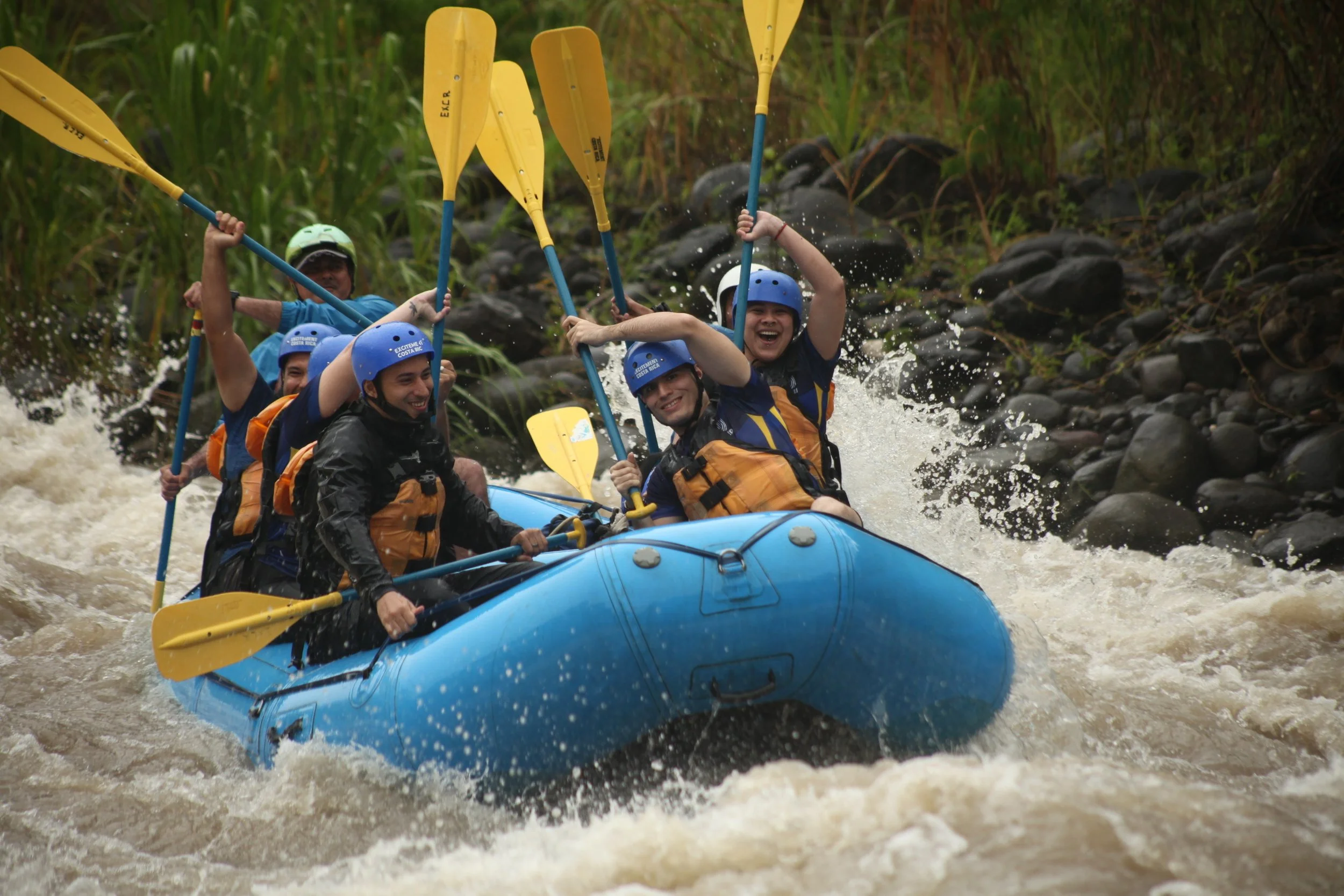
Around the world, many of the rivers paddlers cherish most have remained free-flowing because the people who know them best stepped in to defend them. Local paddlers often become the first watchdogs when dam proposals emerge, bringing attention to places that might otherwise be overlooked. The fight for the Pacuare is one example of how a river community can rally to protect the places that shape their lives.
The fight for the Pacuare shows how powerful that first connection to a river can be. And how a personal relationship with a river can grow into something much larger: a community of people willing to advocate for a place that has shaped their lives.
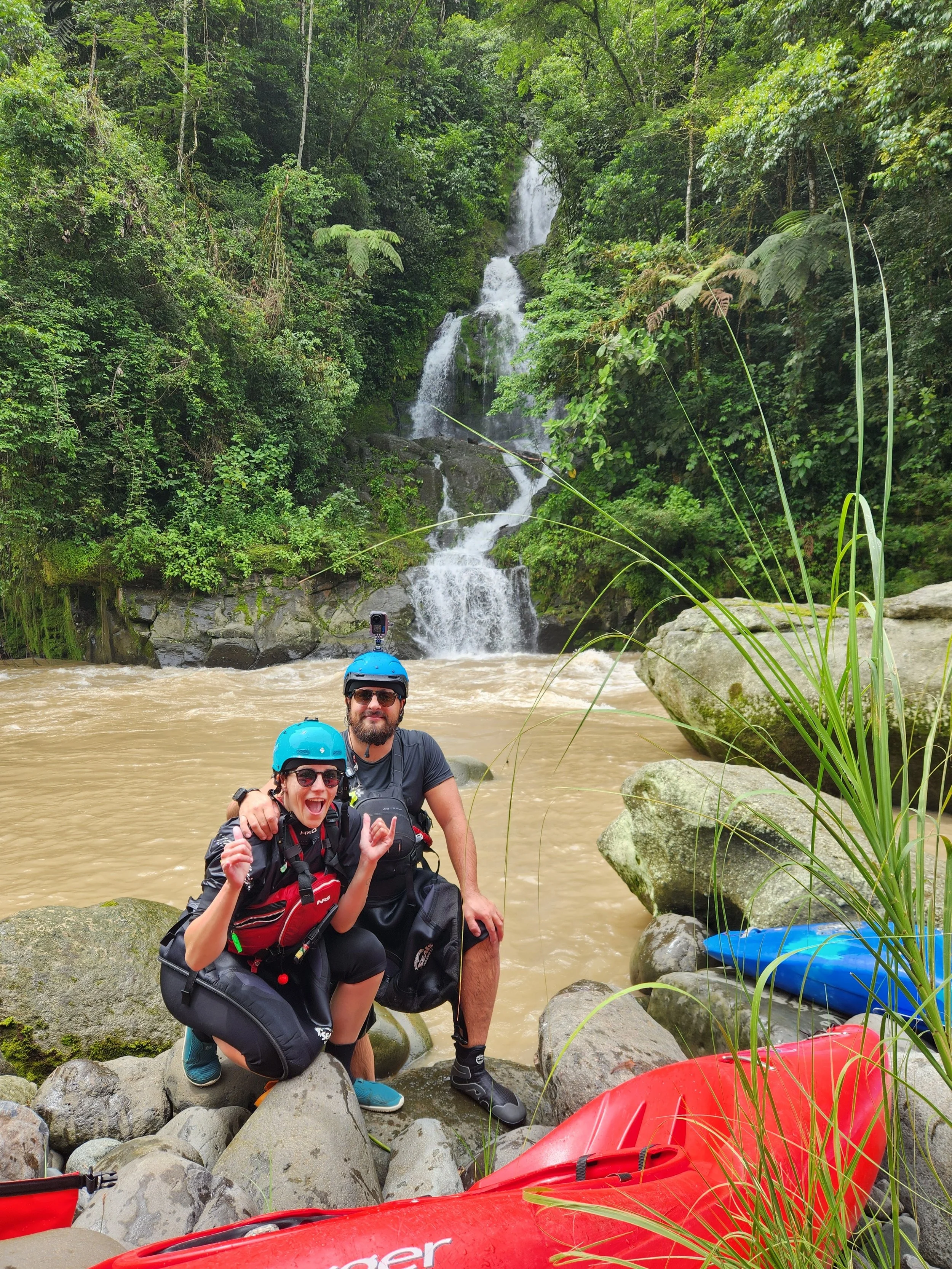
Because for the people who know the Pacuare best, this is not just a river worth visiting. It is a river worth protecting for life. As legislation moves through Costa Rica’s Legislative Assembly, paddlers, guides, and local communities are hoping that the same connection people feel when they move through the canyon will help ensure the Pacuare remains free-flowing for generations to come.
For paddlers beyond Costa Rica, the story of the Pacuare is also a reminder that river protection often begins at home. The rivers people paddle, fish, swim, and return to again and again are the places where stewardship starts. By paying attention to what happens on those rivers, supporting local advocacy efforts, and speaking up when threats emerge, river communities can play a critical role in protecting whitewater rivers around the world.
Join the fight to protect the Pacuare. Sign the petition here.
Photo/video credits: Fernando Torres, Mat Senécal, Federico Lizano
FEB 25, 2026
The Komarnica River
MONTENEGRO
On the Komarnica River, one of Europe’s last truly wild canyon rivers, a proposed hydropower plant would flood long stretches of limestone gorge and turn free-flowing current into reservoir flatwater. The Komarnica runs through a biodiverse canyon system within a proposed protected area and feeds the Piva and Tara Rivers — central to Montenegro’s identity as an ecological state. Local groups, including Društvo Ekologa Crne Gore, have launched an international petition calling for the project to be stopped and for lasting protection of the canyon. A short film, The Wild That Remains, premieres March 14, with a live webinar and pre-screening Q&A on March 12. Petition and event details are on RallyCrew.
More Info: www.savekomarnica.com
Create a free RallyCrew profile today and stay informed on river conservation stories worldwide.
RallyCrew is built for paddlers who want to share stories, learn, progress and connect with the paddlesports community.
Join RallyCrew today!
What is RallyCrew
Like a giant online eddy, RallyCrew is your digital home for whitewater boating: find fellow boaters, plan trips, and discover courses and other events—all in one place.
